喜歡種植物的人通常性格溫和、有耐心。他們享受照顧花草、看著生命成長的過程。對他們來說,種植物不只是興趣,更是一種療癒的活動。綠色植物讓居家環境更舒適,也為忙碌的生活帶來一點平靜。雅思口說《當季真經 Sep-Dec 2025》Part 3 的後續延伸考題便請考生回答關於這個話題的一些常見問題。

【經典美語】與眾不同

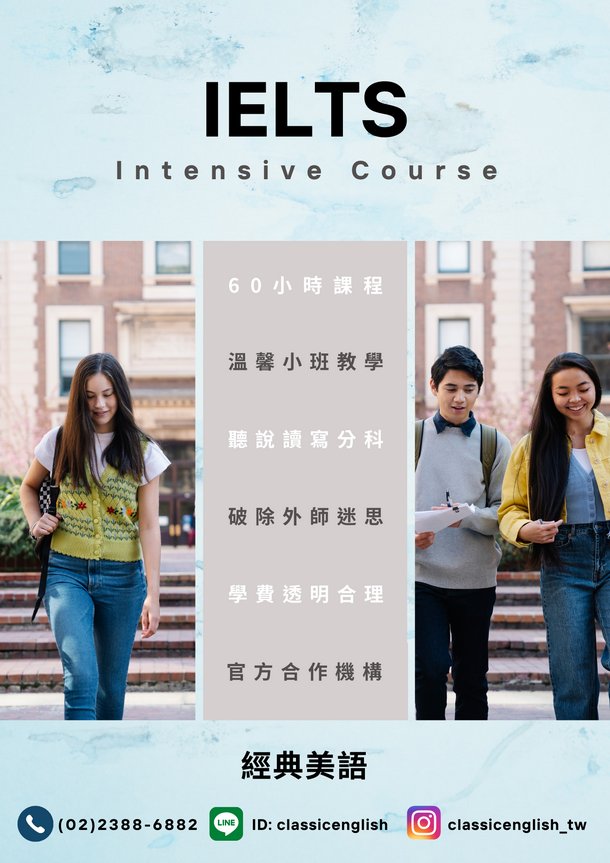
雅思專修班

手把手帶你 20 堂課程衝出 6.5+ 成績

時間是考生最寶貴的資產,完全不能浪費。經典美語課程只要短短 20 堂,聽說讀寫全方位提升考生實力與分數。絕不搭配其他無用課程,虛耗同學人生。

【經典美語】雅思專修班為 6~10 人小班,老師清楚掌握班級狀況,師生互動緊密,上課氣氛溫馨。有問題隨問隨答,讓學習效果最大化。

短期課程,快速有效,助您提升現有英文能力,爭取考試高分

課程說明請點選下列按鈕,並歡迎預約試聽 。

《雅思口說當季真經全詳解》分享 Part 3—A person who likes to grow plants 喜歡種植物的人

[《雅思口說當季真經全詳解》分享:真經構成說明]

口說真題分享

A person who likes to grow plants 喜歡種植物的人

《A person who likes to grow plants 喜歡種植物的人》是《雅思口說當季真經全詳解》Sep-Dec 2025 中收錄的雅思口說 part 3 延伸 part 2 cue card 的考題。問題內容如下(節錄):

  1. Are there many people growing their own vegetables now?
    現在有很多人種植自己的蔬菜嗎?

  2. Do you think it’s good to let kids learn how to plant?
    讓孩子學習種植好嗎?

  3. What are the differences between traditional and modern agriculture?
    傳統農業和現代農業有什麼不同?

  4. How do people grow plants in cities?
    人們如何在城市種植植物?

[《雅思口說當季真經全詳解》分享:Part3解題提示]

《雅思口說當季真經全詳解》

雅思真經解題,就讓專業的來

Jan-Apr 2026 版完整收錄真題共 1,530+ 題
p1: 145 類 720+ 題/p2: 133 題/p3: 133 類 680+ 題

每題均附詳解 + 英漢對照。理解快,吸收快
適合長期準備,也適合臨時抱佛腳

用《口說真經全詳解》準備雅思,保證突破分數天花板

[《雅思口說當季真經全詳解》分享:Part3模擬作答]
  1. Are there many people growing their own vegetables now?
    現在有很多人種植自己的蔬菜嗎?

    點此看中文

    是的,種植自己的蔬菜的趨勢越來越盛行。隨著對有機和永續食物益處的認識提高,越來越多的人開始從事家庭菜園種植。這使他們能夠控制產品的品質,減少碳足跡,並享受收穫新鮮蔬菜的滿足感。即使在城市地區,人們也利用陽台、屋頂或社區菜園等小型空間種植各種蔬菜,包括番茄、生菜、香草和辣椒。這種做法促進了自給自足,鼓勵健康飲食,並培養了與自然的聯繫。

    點此看英文

    Yes, there is a growing trend of people cultivating their own vegetables. With increasing awareness of the benefits of organic and sustainable food, more individuals are embracing home vegetable gardening. This allows them to have control over the quality of the produce, reduce their carbon footprint, and enjoy the satisfaction of harvesting their own fresh vegetables. Even in urban areas, people are utilizing small spaces such as balconies, rooftops, or community gardens to grow a variety of vegetables, including tomatoes, lettuce, herbs, and peppers. This practice promotes self-sufficiency, encourages healthy eating, and fosters a connection with nature.

  2. Do you think it’s good to let kids learn how to plant?
    讓孩子學習種植好嗎?

    點此看中文

    是的,讓孩子學習種植是有益的。教導孩子有關園藝和植物護理的知識,培養了寶貴的生活技能,並促進了對環境的責任感和連結感。通過參與種植和培育植物,孩子可以學習有關自然世界、永續性的重要性以及生長和發展的過程。這也可以激發好奇心、創造力和對自然的熱愛。此外,園藝對於孩子來說還可以是一種治療性和舒緩壓力的活動,為他們提供放鬆和紓解壓力的出口。

    點此看英文

    Yes, it is beneficial to let kids learn how to plant. Teaching children about gardening and plant care instills valuable life skills and promotes a sense of responsibility and connection to the environment. By participating in planting and nurturing plants, children can learn about the natural world, the importance of sustainability, and the process of growth and development. It can also spark curiosity, creativity, and a love for nature. Additionally, gardening can be a therapeutic and calming activity for children, providing them with an outlet for relaxation and stress relief.

  3. What are the differences between traditional and modern agriculture?
    傳統農業和現代農業有什麼不同?

    點此看中文

    傳統農業是指數個世紀以來使用的方法和做法,通常涉及人力勞動和有限的技術使用。它通常以小規模耕作、依賴天然肥料和多樣化的作物品種為特點。相比之下,現代農業融入了先進技術、機械和科學創新,以增強效率和生產力。它涉及大規模農業經營、使用合成肥料和農藥,以及種植基因改造作物。現代農業的目標是最大化產量、減少勞動成本並滿足不斷增長的全球人口需求。然而,它也引起了有關環境永續性、土壤退化和傳統農業做法損失的關注。

    點此看英文

    Traditional agriculture refers to methods and practices that have been used for centuries, often involving manual labor and limited use of technology. It is typically characterized by small-scale farming, reliance on natural fertilizers, and diverse crop varieties. In contrast, modern agriculture incorporates advanced technologies, machinery, and scientific innovations to enhance efficiency and productivity. It involves large-scale farming operations, the use of synthetic fertilizers and pesticides, and the cultivation of genetically modified crops. Modern agriculture aims to maximize yield, reduce labor costs, and meet the demands of a growing global population. However, it also raises concerns about environmental sustainability, soil degradation, and the loss of traditional farming practices.

  4. How do people grow plants in cities?
    人們如何在城市種植植物?

    點此看中文

    城市裡的人會在陽台或屋頂等小空間種植植物,通常使用花盆或垂直花園。例如,我的鄰居在陽台的容器中種植羅勒等香草。有些人加入公園的社區花園,一起種植蔬菜。還有一些人使用水耕法,在室內用水和燈種植植物,這樣可以節省空間。這種方法很受歡迎,因為既簡單又實用。人們種植植物是為了獲得新鮮的食物或使自己的家園更加綠化。即使是在空間有限的繁忙都市,這也是享受大自然和放鬆身心的好方法。

    點此看英文

    People in cities grow plants in small spaces like balconies or rooftops, often using pots or vertical gardens. For example, my neighbor grows herbs like basil in containers on her balcony. Some join community gardens in parks to plant vegetables together. Others use hydroponics, growing plants indoors with water and lights, which saves space. It’s popular because it’s easy and practical. People grow plants for fresh food or to make their homes greener. It’s a great way to enjoy nature and relax, even in a busy city with limited space.

[《雅思口說當季真經全詳解》分享:Part3結語提示]

雅思口說
當季真經全詳解

完整收錄當季雅思口說真經
每題提供完整解答並附解題說明與分析
雅思口說 7+ 必備材料
最新版適用 Jan-Apr 2026 考試